
Overview

We’re giving Legal Aid lawyers their time back
Did you know?
In 2024, 82% of practitioners surveyed by the Law Society reported that Legal Aid work was loss-making. The challenge wasn’t skill or dedication; it was that the digital tools built for private-practice billing didn’t fit the complex, rule-bound world of Legal Aid. We saw an entire sector working in fragments: spreadsheets here, portals there, disconnected systems everywhere.
So we set ourselves a simple but audacious goal: make Legal Aid viable again through intelligent automation and guided design.
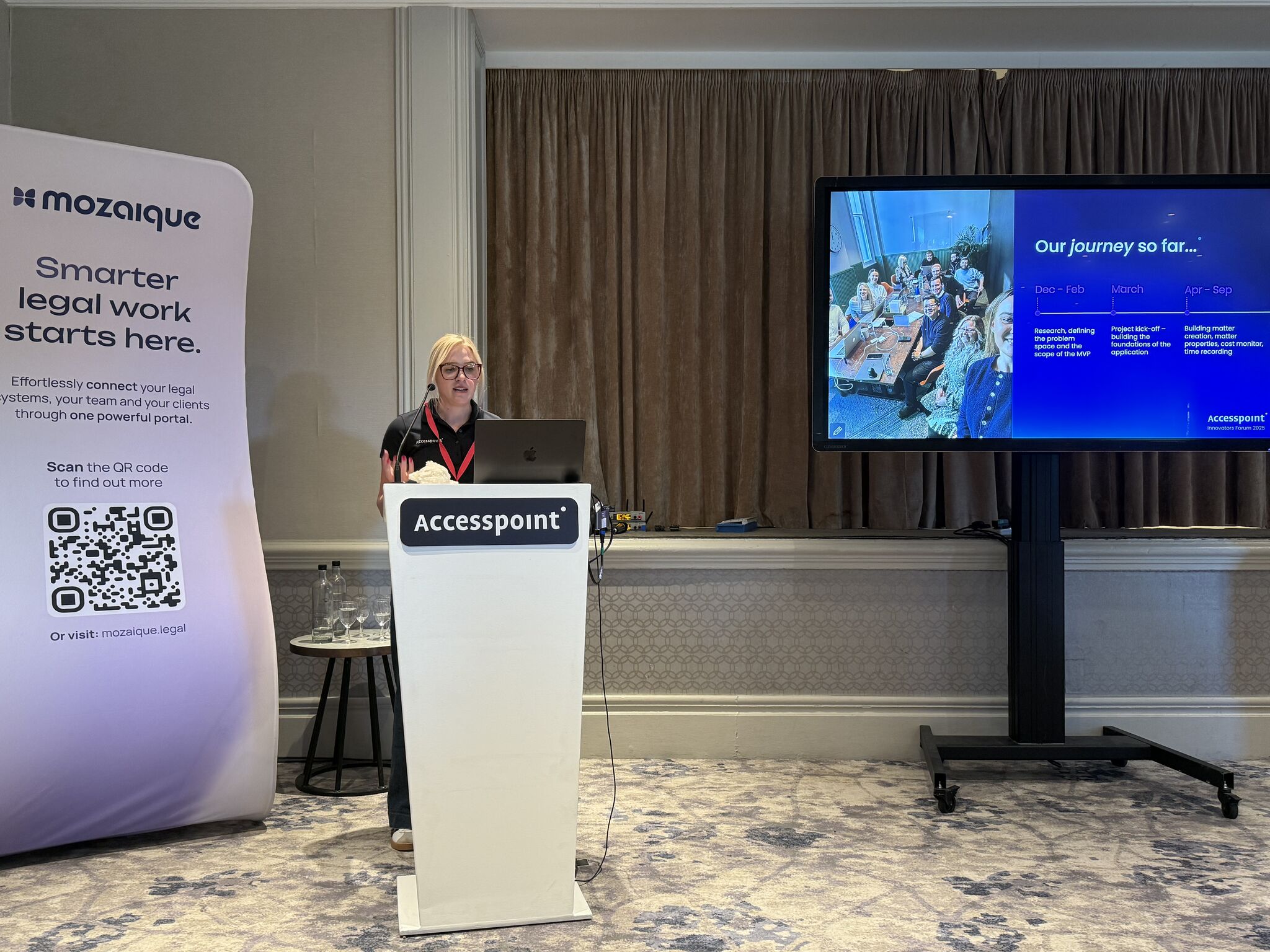
Listening before building: we started with research, not code.
We interviewed lawyers, cost drafters, cashiers, rep bodies, and Legal Aid Agency contacts. We hosted workshops with partners, ops leads, and IT teams to map every breakdown trigger from client onboarding to final billing. Those sessions revealed the heart of the problem: lawyers weren’t short of data, they were short of time and tools that understood Legal Aid logic.
Our brief became clear: turn expertise into an experience, not just another administrative task.
Designing a guided journey
From that insight came the Legal Aid Manager (LAM), a standalone SaaS platform that helps firms manage budgeting, cost control, time capture, and compliance in one connected workflow. It doesn’t just record numbers; it thinks alongside the lawyer, prompting the right actions at the right time. LAM front-loads prediction — anticipating enhancements, funding limits, and fee changes — so firms recover more of what they earn and reduce WIP lock-up.
Built with empathy and precision
Behind the interface lies months of structured R&D.
- AI agents that learn from paid bills to suggest future enhancements.
- Middleware that bridges legacy PCMS systems and modern cloud tools.
- Conditional logic trees that model how real Legal Aid cases evolve day to day.
Each feature originated from collaboration: engineers working closely with lawyers, reimagining what “cost management” could mean when it’s simple, visual, and intuitive.
A community approach to innovation
Eight pilot firms representing every type of PCMS helped test each sprint. Their feedback shaped the product as much as the code did. That partnership model is now a core Accesspoint principle: every build is a shared build.
The Legal Aid Manager isn’t about replacing people. It’s about giving Legal Aid lawyers their time back. By letting the software handle the complexity, lawyers can again focus on the reason they joined the profession in the first place: helping clients find justice.